RealFoodRhythm.
A structured record of how consistent eating patterns form, persist, and sustain. Talmon works with whole-food frameworks, seasonal ingredients, and documented meal protocols.
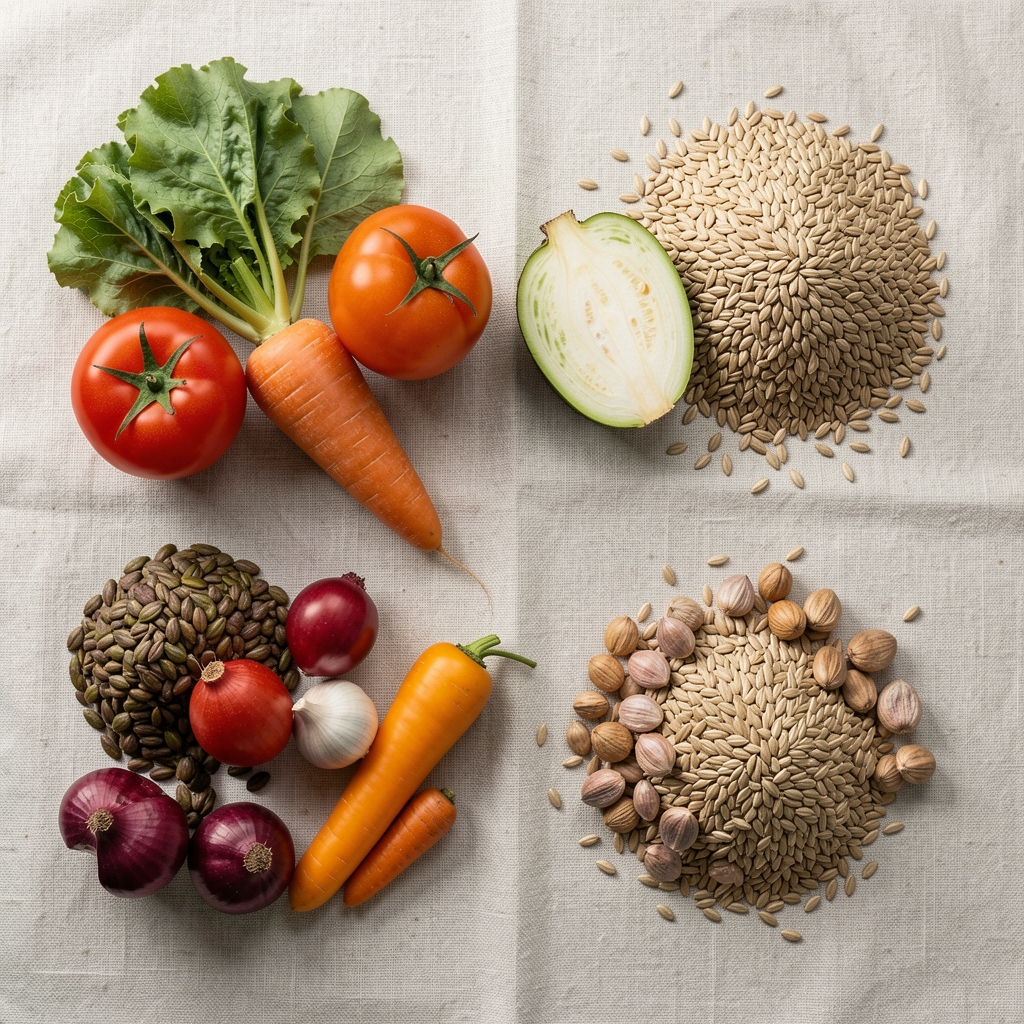
Fig. 1.1 — Seasonal produce survey, documented batch Q2-2026
The primary dimensions of nutritional habit formation.
Examining the compositional depth of minimally processed ingredients — vegetables, legumes, whole grains — as the structural basis of everyday nutrition. Recorded by seasonal batch and origin region.
Read more →Structured weekly meal frameworks adapted for sport, activity level, and working schedule. Each protocol is documented with portion guidance, preparation notes, and ingredient substitution lists.
Read more →A calibrated review of plate composition — macronutrient ratios, visual portion cues, and the relationship between energy demand and food volume. Practical rather than prescriptive in its framing.
Read more →Documentation of fermented foods, fibre-rich preparations, and plant-forward ingredient combinations that have consistently featured in published nutritional research on digestive wellness.
Read more →Eating frameworks oriented around physical activity patterns — from regular walking to structured training. Emphasis on timing, recovery meals, and sustainable fuelling across the week.
Read more →An exploration of meal-time awareness, pace, and attention — the behavioural dimension of sustainable nutritional habit formation. Sourced from observational records and published nutritional literature.
Read more →
The architecture of a nourishing daily routine does not begin with restriction.
A 2025 review of participant food journals from the Talmon archive noted a recurring pattern: the most durable eating habits were those introduced alongside an existing daily rhythm rather than imposed on top of it. Morning routines, commute windows, and evening meal preparation times provided the structural anchor that made new food choices easier to maintain over multiple weeks.
The implication for meal planning is straightforward. Whole-food choices that require minimal preparation tend to sustain longer. Seasonal vegetables that can be roasted in bulk on a Sunday, grain bases that store across three days, and simple dressings prepared in advance — these reduce the friction that leads to abandoned food habits.
Archive entry: Batch documentation BH-14, reviewed March 2026.
The Talmon documentation process.
An initial review of existing eating patterns using a seven-day food journal framework. Meals, timing, and preparation methods are recorded without evaluation.
Stage 01A cross-reference of the recorded intake against macronutrient balance and micronutrient profile targets, using published nutritional reference values for the UK adult population.
Stage 02Construction of a personalised weekly eating framework incorporating seasonal ingredient batches, portion awareness cues, and gut-friendly recipe alternatives where relevant.
Stage 03A four-week review cycle in which food choices are re-documented and the meal protocol is adjusted based on observed adherence, seasonal availability, and energy output patterns.
Stage 04
Documented plate composition — balanced macronutrient distribution, archive ref. PL-07, 2026.
“The most durable food habits observed in the archive are those anchored to geography, season, and preparation ritual rather than to calorie arithmetic.”
Talmon Nutrition Archive, Field Notes Vol. II — United Kingdom, 2025.
Thirteen months of observational records from participants across London, Bristol, and Edinburgh consistently showed that food choices embedded in existing local and seasonal patterns required significantly less ongoing effort to maintain than those based on imported ingredient lists or generic portion templates.
About Talmon →Frequently asked about nutritional habits.
A selection of questions drawn from Talmon's correspondence archive, 2024–2026.
A real-food approach emphasises ingredient quality and preparation over caloric restriction. The focus is on establishing consistent food choices across the week using minimally processed, recognisable ingredients — vegetables, whole grains, legumes, seasonal fruits — rather than following a structured calorie deficit or nutrient ratio. The result tends to be a more durable pattern that persists beyond an initial motivation period.
Seasonal ingredients provide a natural rotation that prevents menu fatigue — one of the primary reasons eating patterns become difficult to sustain. UK seasonal produce cycles offer a consistent change in available vegetables, leaves, and fruits across spring, summer, autumn, and winter, which keeps meal planning varied without requiring constant research or exotic sourcing.
Published nutritional research consistently identifies a positive relationship between dietary fibre intake, fermented foods, and subjective measures of energy and digestive comfort. Gut-friendly recipe frameworks documented in the Talmon archive prioritise plant diversity, fibre-rich bases such as lentils and oats, and fermented additions such as natural yoghurt, kefir, and kimchi.
The Talmon approach uses visual reference systems rather than gram-by-gram measurement. Plate-composition cues — half vegetable and leaf, a palm-sized protein portion, a cupped-hand carbohydrate volume — provide consistent portion awareness without requiring scales. This approach has been consistently easier to sustain in real-world meal settings than numerical tracking.
Observational records in the archive suggest that participants who incorporated slower meal pacing, seated eating environments, and reduced screen engagement during mealtimes reported improved satiety signals and a more stable weekly food intake over time. Weight management, where relevant, is approached through sustainable habit formation rather than short-term restriction.
Documentation, guidance, and the occasional field note.
Talmon is based at 29 Hoxton Square, London N1 6NN. The office is open Monday through Friday, 09:00 to 18:00. Enquiries are welcomed by phone or in writing.